
“Power, when unchecked, becomes a weapon in the hands of the privileged against the powerless.”
This is the grim reality faced by thousands of tenants and low-income earners across Enugu State today.
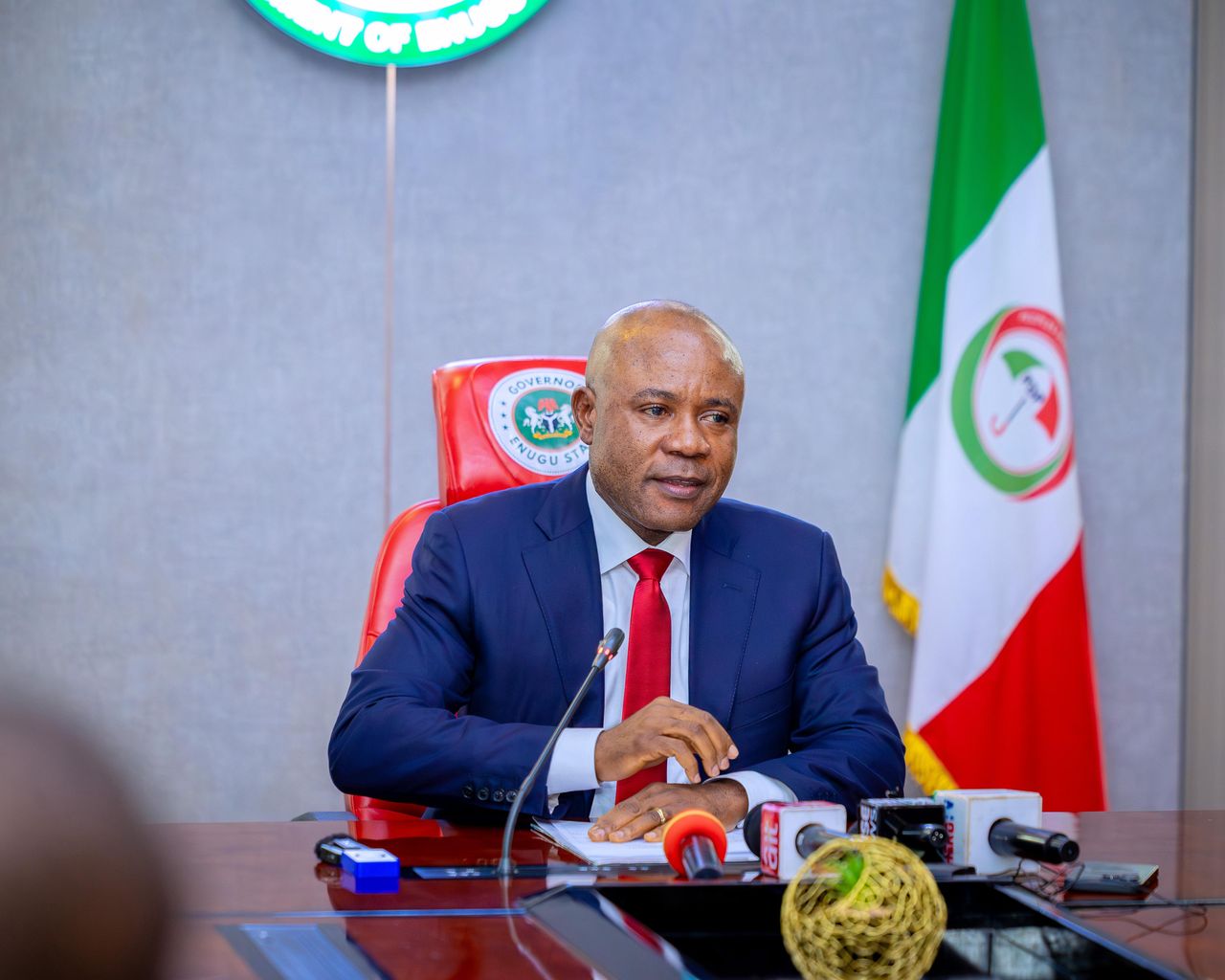
Governor Peter Ndubuisi Mbah came into office with a loud promise of infrastructural transformation, and to his credit, roads are being built and certain urban areas are getting a facelift. But governance is not about asphalt alone. It’s about people. It’s about empathy. It’s about protecting the vulnerable from being swallowed by the system. Unfortunately, this administration seems to have forgotten that.
Across the state, from Thinkers Corner to Emene, from Ugwuaji to Abakpa, landlords are having a field day. Self-contained apartments in areas that are still developing now cost as much as ₦500,000 per annum. A student or a young worker in Enugu today is more afraid of rent renewal than of fuel scarcity. Why? Because every single time a tenant renews rent, the landlord increases it, without justification and without control.
Why this sudden rent madness?
The answer lies partly in Governor Mbah’s new aggressive tax regime. In an attempt to boost Internally Generated Revenue (IGR), the government introduced and enforced new taxes and levies on properties, businesses, and landowners, many of whom are now transferring the cost to tenants. A landlord who once paid nothing is now being asked to pay substantial land use charges and other regulatory fees. And how does he respond? He doubles or even triples the rent, blames the government, and punishes the tenant. The result is a chain reaction of suffering, and the ordinary people are at the bottom of it.
This piece is written to lend my voice to the earlier and courageous publication by Okwuluora, who rightly highlighted how Peter Mbah’s tax policies, though aimed at increasing state revenue, have backfired, making landlords more ruthless and tenants more helpless. His exposé laid bare the unintended consequences of a tax structure that burdens the vulnerable instead of empowering them. What we’re witnessing today is the echo of that same warning, only louder and more painful.
Yes, the government must generate revenue. But must it come at the expense of the already oppressed?
One wonders whether Peter Mbah’s government understands the concept of affordable housing, or the responsibility of the state to intervene in unjust economic structures. Right now, if you want to move into a new apartment in Enugu, you must be ready to cough out money for rent, agent fee, caution fee, legal fee, inspection fee, and even “community development fee”, all adding up to nearly a year’s income for an average worker.
What stops the government from building low-cost housing estates on the vast stretches of undeveloped land in Enugu State, and allocating them to civil servants, students, and low-income families who can pay gradually through bank mortgage schemes? That is a legacy project, not just beautifying GRA with flower pots and overhead cameras.
What stops the governor from establishing a Rent Control Board to check the excesses of greedy landlords? Why is there no government regulation in place to prevent landlords from arbitrarily increasing rents or evicting tenants without recourse?
Instead of empathy, we are witnessing a disturbing silence from the top. Tenants are weeping. Landlords are smiling to the bank. And the government watches on, complicit and indifferent.
Governor Peter Mbah must choose: will he be a leader of only the rich, the developers, and the contractors? Or will he be the Governor of the People, who remembers that in every apartment block, there is a struggling mother, a job-seeking graduate, or a young entrepreneur trying to survive?
If Enugu is truly a city of tomorrow, as the administration claims, it must start by caring for the people of today. A government that neglects the basic shelter needs of its citizens is laying the foundation for social unrest and public frustration.
Governor Mbah, the people are watching. And the poor are praying. Not for roads, but for relief.
Arinze Prince Nnadi